Create a drying first return routine for umbrellas
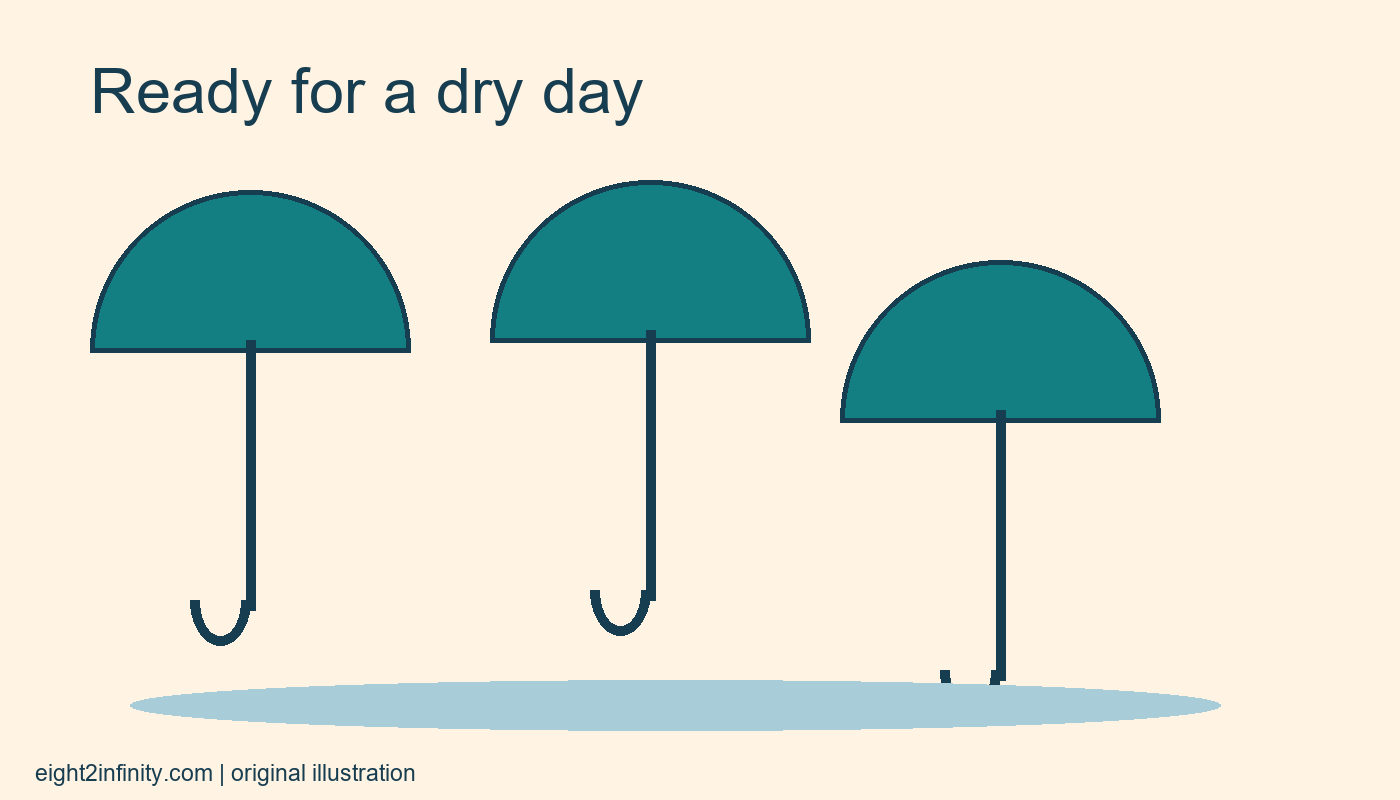
Give a wet umbrella a temporary drying place before returning it to closed storage. A useful routine separates arriving with a dripping umbrella, letting it dry according to its care instructions, and putting it away. This article develops an original household arrangement using items already available. It supports reuse and care without claiming that a particular setup prevents damage in every umbrella or works in every home.
The main decision is where water can land without creating a slippery walking route or damaging nearby belongings. Choose the location for your actual floor and available space. An absorbent mat or suitable drip tray may help, but it must be checked and maintained. Do not create a large obstacle beside a doorway simply because that is where umbrellas first enter the home.
Identify the arrival path
Walk through an ordinary arrival while carrying a closed dry umbrella. Notice where you put keys, remove shoes, and set down a bag. The best temporary umbrella location should not interfere with those actions. If you must step over it or lean across it, choose another position. The routine needs to fit the space people already use rather than depend on everyone remembering an awkward exception during rain.
For an original example, imagine a hallway with a narrow shoe rack on one side and a clear corner near a utility area. The hallway itself is unsuitable for an open umbrella, but the utility corner may provide a temporary drying area. A small sign reading Wet umbrella goes here can help while the routine is new. It should point to the place, not serve as a substitute for keeping the route clear.
Check the umbrella's care guidance
Inspect the product label or manufacturer's instructions before deciding how to dry it. Designs and materials vary. Do not force an umbrella open in a cramped space, place it against a heater, or assume high heat will speed drying safely. If the frame or opening mechanism is damaged, treat that as a separate repair or replacement decision rather than storing it as if it were ready for the next outing.
Use a position that the umbrella and your available area can support. Some homes have no suitable indoor space for opening one fully. In that case, follow the care guidance and choose another practical arrangement rather than blocking a doorway. This article does not prescribe one drying posture for all products. Its central principle is to give wet items an intentional temporary stage and verify their condition before storage.
Make the temporary stage visible
Mark the drying area in a simple way, such as a removable label on a nearby shelf. Keep it separate from the container that holds dry, ready umbrellas. This prevents a wet umbrella from disappearing into a sleeve or crowded stand where nobody notices it needs attention. A visible temporary location also makes the next step easier to remember because the item remains part of the room's ordinary visual check.
If more than one person uses the area, agree on a small capacity limit. For example, the corner may accommodate two umbrellas without blocking access. If a third arrives, someone must use the agreed alternate place. Do not solve overflow by spreading wet items into a walking route. Capacity is part of the arrangement, just as it is for a drying rack or shoe shelf.
Deal with collected water
Check the floor, mat, or tray after placing a wet umbrella. Empty collected water and deal with damp surfaces as appropriate for the materials. A tray that quietly fills and spills is not performing its intended job. If your mat is washable, follow its care label. If the surface beneath it remains wet, adjust the arrangement rather than assuming that an absorbent layer makes the floor problem disappear.
Make one person responsible for the last check after a rainy arrival period. That can be as simple as the adult who closes the utility area for the evening. Avoid an elaborate roster unless your household actually needs one. The action should be concrete: inspect the drying area, deal with water, and identify which umbrellas still need time before storage.
Return only ready items
Once an umbrella is dry according to its care requirements, close it as directed and return it to its normal storage location. If it has a sleeve, check that the sleeve is also dry and suitable to use. The closed-storage position should be easy to reach before leaving home. Keeping the return point convenient helps the drying stage remain temporary rather than becoming the umbrella's permanent clutter spot.
At the return point, keep damaged umbrellas distinguishable from ready ones. A visible note such as Check opening catch prevents someone from choosing an unreliable item in a hurry. Do not leave a broken mechanism for the next person to discover outside. The routine includes checking readiness, but it does not replace product-specific repair advice or justify improvised repairs to damaged components.
Review after a real rainy day
After one rainy arrival, look at what actually happened. Was the umbrella put in the planned place? Did water escape the tray? Did someone have to move it to reach a cupboard? Change the location or capacity in response to those observations. This is a household trial with your own objects, not a tested universal system or a promise of a particular reduction in mess.
As an exercise, write your routine in three short sentences beginning Arrive, Dry, and Return. Give each sentence a location or condition so another adult can follow it without asking where things go. Then identify the one observation that tells you the setup needs changing. What would you do on a day when several visitors arrive with wet umbrellas at the same time?