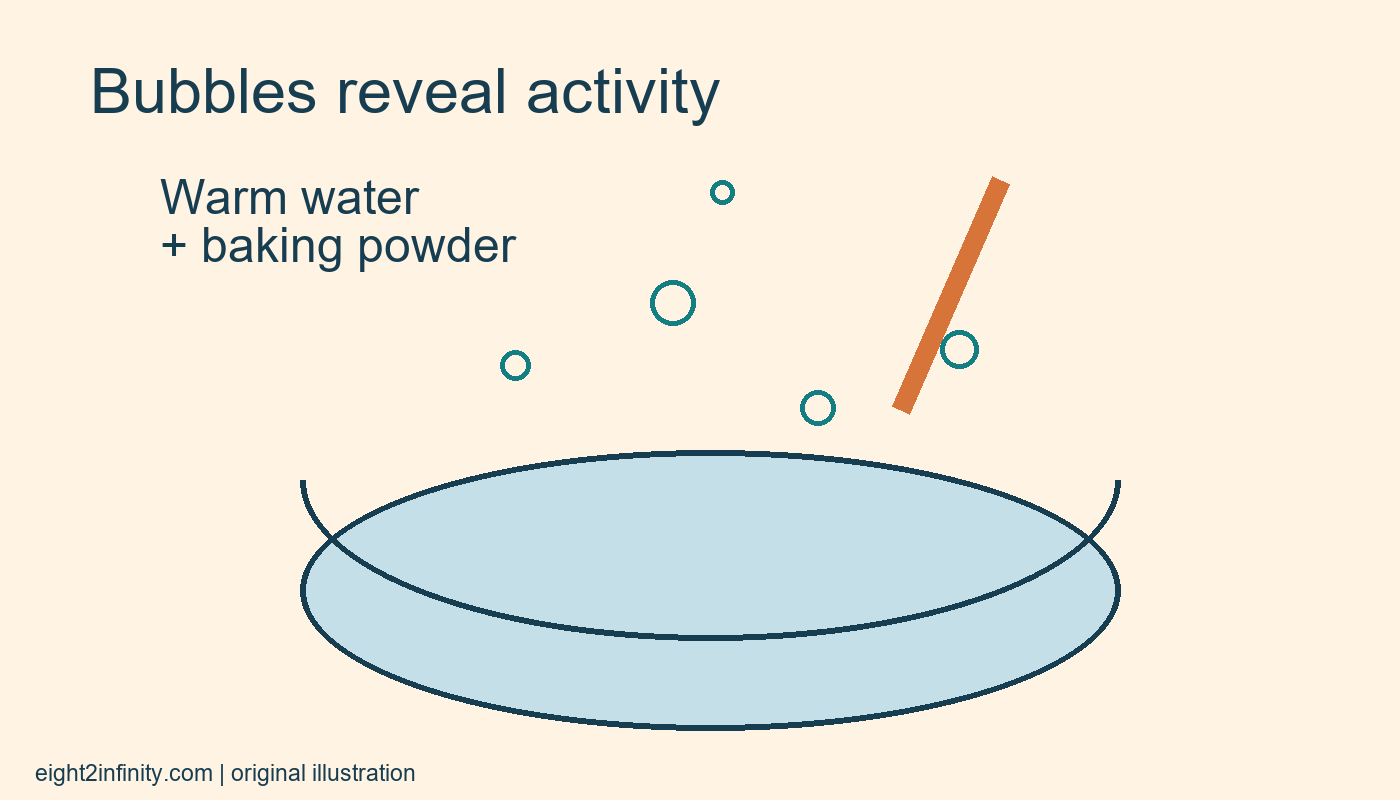
Check baking powder activity before starting a bake
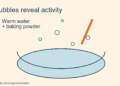
A small warm-water check can show whether baking powder still produces an obvious bubbling reaction. King Arthur Baking's published method uses two tablespoons of warm water and half a teaspoon of baking powder. Stir them together in a small bowl and look for bubbling and foam. This is an activity check before baking, not a precise measurement of leavening strength or a guarantee that a finished cake will rise correctly.
Use the powder intended for your recipe and read its label first. Baking powder and baking soda are different ingredients, and the same test liquid does not apply to both in the referenced guide. This article focuses only on baking powder. The household preparation and recordkeeping examples below are original ways to make the check interpretable, especially when a container has been open for a while and you are unsure about its condition.
Identify the ingredient before testing
Read the container's name rather than relying on its shape or color. Put baking soda aside if it is also on the counter. Check the printed date and storage instructions, and look for obvious packaging problems. Do not use a quick reaction test to override damaged packaging, contamination concerns, or an instruction on the product label. If the contents are uncertain or unidentified, a kitchen experiment is not a reliable way to establish what they are.
Write down the brand or product name and the printed date wording on a scrap of paper. You do not need a permanent kitchen database. The note simply keeps the result connected with the particular container you checked. If two similar containers exist, this prevents a lively reaction from one being mistakenly remembered as evidence about the other.
Prepare a small clear workspace
Set out a clean small bowl and measuring spoons. Keep the main ingredient container away from splashes so the test water cannot enter it. Use warm water as specified by the cited method, without treating the exercise as a reason to handle dangerously hot liquid. The purpose is a small visible reaction, not dramatic foam or a large demonstration. Follow ordinary kitchen precautions and keep the test separate from food you intend to serve.
Measure the water into the bowl first, then measure the baking powder with a dry spoon. Return the lid to the main container. This sequence limits the chance of transferring moisture back into stored powder. Do not dip a wet spoon into the container to take another sample. A simple check should leave the remaining ingredient in at least as orderly a condition as before you began.
Observe what actually happens
Add the measured powder to the measured warm water and stir. Look for an obvious bubbling and foaming response. Describe the observation in ordinary words, such as Clear bubbling after mixing or Little visible activity. Avoid inventing a numeric strength score from the height of the foam. Bowl size, water conditions, and observation timing are not controlled well enough here to support that kind of comparison.
If the reaction is weak or absent, reconsider the ingredient before committing the rest of a recipe. You can verify that you used baking powder and followed the referenced method, but do not keep changing the test conditions until you get an outcome you prefer. The result should inform a practical decision, not become a search for reassurance about a doubtful container.
Understand the limit of the result
A bubbling response shows activity under the test conditions. It does not check your oven temperature, mixing technique, recipe balance, pan choice, or ingredient substitutions. A cake can fail for reasons unrelated to the powder's activity. Likewise, a vigorous bowl reaction does not tell you to use less powder than the recipe specifies. Treat the ingredient amount as part of a tested recipe unless you have a sound reason and expertise to reformulate it.
Imagine an original planning example: you intend to make a small loaf for visitors and have one long-open container. An uncertain test result gives you a reason to resolve the ingredient question before combining flour, butter, and eggs. A clear result lets you continue checking the other recipe requirements. Neither result proves what the finished loaf will look like, and no successful bake is claimed by this written example.
Keep the test out of the batter
Discard the test mixture appropriately rather than adding it to the recipe. It contains water and powder in a proportion chosen for observation, and the reaction has already begun. Adding it would change the recipe's liquid and ingredient quantities in an uncontrolled way. The check is a separate preparation step, similar to verifying a tool before use, rather than an unlisted ingredient addition.
Clean and dry the bowl and spoons before returning them to ordinary storage. If you replace the powder, identify the new container clearly enough that you do not accidentally return to the doubtful one later. Avoid combining old and new powders to save space, because that makes future decisions harder and obscures which product or date information applies to the mixture.
Plan a useful pre bake check
Place this activity check early in your preparation when there is a genuine question about the ingredient. Doing it after every other ingredient is mixed creates unnecessary pressure to continue despite uncertainty. At the same time, do not turn a simple recipe into an elaborate testing ritual when there is no reason to doubt the ingredient and its labeling and storage are in order.
Your exercise is to write a short observation note with the container identity, date checked, method followed, and actual visible response. Keep conclusions modest: activity observed is more accurate than guaranteed perfect cake. Then list two other factors you would still need to check before baking. Which decision did the observation help you make, and which questions remain outside what this small test can establish?
Sources and related reading
Check the Butter and Sugar Creaming Step Before Adding Flour