Prepare lemon zest before measuring the rest of a bake
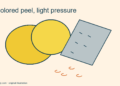
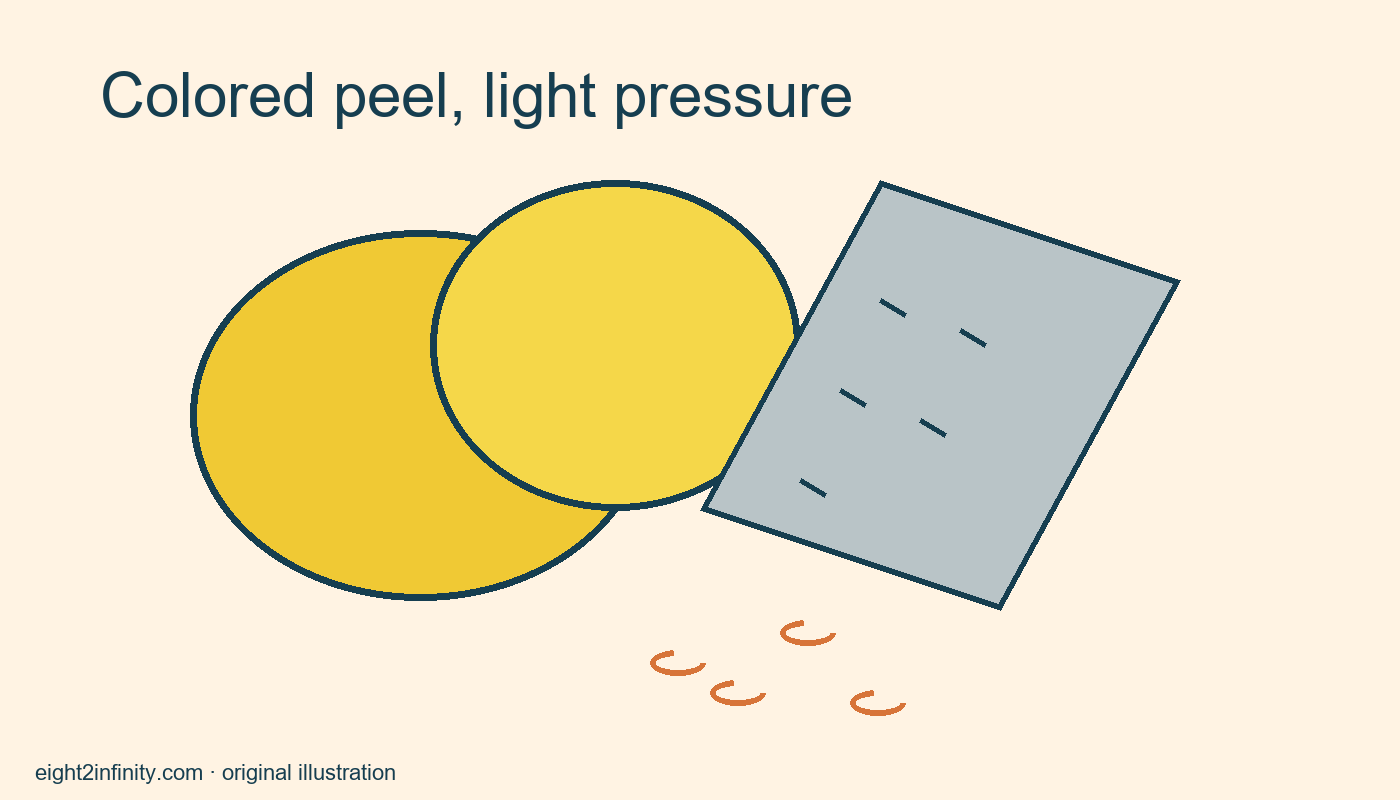
For a recipe that calls for lemon zest, remove the thin colored outer peel with a suitable fine grater, using light pressure and rotating the fruit away from already-zested areas. Measure the amount your recipe requests and keep it identified until the recipe tells you to add it. Avoid digging into the white pith beneath the yellow surface. This guide is a preparation workflow, not a new tested recipe or a fixed yield promise for every lemon.
Read the recipe before picking a tool
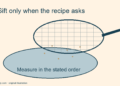
Check whether the ingredient list asks for zest by spoon measure, weight, or the zest of a particular number of lemons. Those instructions are not automatically interchangeable because fruit sizes differ. Note where the zest enters the method as well. A cake that combines zest with sugar may use a different sequence from a glaze that receives it at the end. Follow the actual recipe rather than adding zest at whichever step seems convenient.
Gather the lemon, a suitable food grater, a small clean bowl, and the measuring tool the recipe requires. Place them on a stable preparation surface. Inspect the grater and follow its maker's handling instructions. Fine teeth are still sharp. Keep fingers away from the grating surface and stop before the fruit becomes too awkward to hold securely. There is no benefit in chasing a tiny remaining patch at the expense of control.
Prepare the fruit and workspace
Wash your hands and rinse the whole lemon under running water before using its peel. Dry it with a clean towel so the fruit is easier to handle. The FDA reference below describes washing produce, including produce whose skin or rind will not be eaten. This does not make a damaged or unsuitable fruit acceptable for every use; start with fruit appropriate for the recipe and inspect it normally.
Keep the small collection bowl away from unrelated ingredients so the zest does not become mixed into something prematurely. If several ingredients are yellow, label the bowl or place a brief note beside it. A preparation tray can help, but do not add extra containers just to create a picture-perfect setup. The practical goal is to preserve the identity and required amount of a small ingredient that can otherwise be easy to overlook.
Remove the colored surface deliberately
Use gentle strokes over the colored peel and rotate to a fresh area as the yellow surface is removed. Inspect the fruit between strokes. Pale exposed patches are a cue to move on rather than grate repeatedly into the same spot. The baking reference explains using a fine rasp and avoiding the bitter pith. Your tool's shape and instructions should guide the exact grip; do not imitate a gesture that feels unstable with a different grater.
For a practice observation, stop after a few strokes and look at the collected shreds. They should show the colored peel you intended to remove. If you see thick white pieces, reduce pressure and reassess the angle before continuing. This is a visual process check, not a guarantee of flavor or a measured test. The important distinction is between thin zest and a deep layer of rind.
Measure without assuming a fixed fruit yield
Transfer the collected zest using an appropriate utensil, keeping your fingers away from the teeth. Measure according to the recipe's instructions. If the recipe requests one teaspoon, do not assume one whole lemon always supplies exactly that amount. Likewise, a photograph of a large mound tells you little about the quantity a particular recipe needs. Use the specified measure and retain the recipe as the authority for the ingredient amount.
An invented preparation note might read Zest measured; add with sugar in step two. The note records the workflow you intend to follow, not a new formula for a cake. If you are short of the requested amount, consult the recipe's own guidance before substituting juice or extract. These ingredients contribute different things and are not interchangeable merely because all taste of lemon. Avoid making up a conversion during a bake that depends on a particular balance.
Keep zest separate from juice planning
If a recipe also uses lemon juice, zest the intact fruit first when practical. A whole fruit is generally easier to hold for this task than a collapsed squeezed half. Then prepare the juice using the method appropriate to your recipe and tool. Measure each ingredient separately. The zest quantity does not tell you how much juice you have, and the juice quantity does not prove that you collected the required peel.
Once measured, keep the zest covered or otherwise protected as appropriate while you continue the immediate preparation. This article does not assign a storage life to it. If you want to prepare ingredients far ahead, consult a reliable storage reference for that separate plan. For the small workflow here, the objective is simply to have the specified zest ready during the same cooking session and add it at the correct step.
Finish with a recipe-reading exercise
Choose a trusted lemon bake and underline its zest quantity and the step where it is added. Write a short preparation order using those two facts. After zesting, inspect the fruit for places where you went too deep and note one adjustment for next time. Clean and store the grater according to its instructions. What would you check first if your measured zest seemed much less than a photograph led you to expect: fruit size, measurement method, or the recipe's actual requested amount?
Sources and related reading
FDA produce preparation guidance
Check the Butter and Sugar Creaming Step Before Adding Flour