Make a small scratchpad from reusable paper
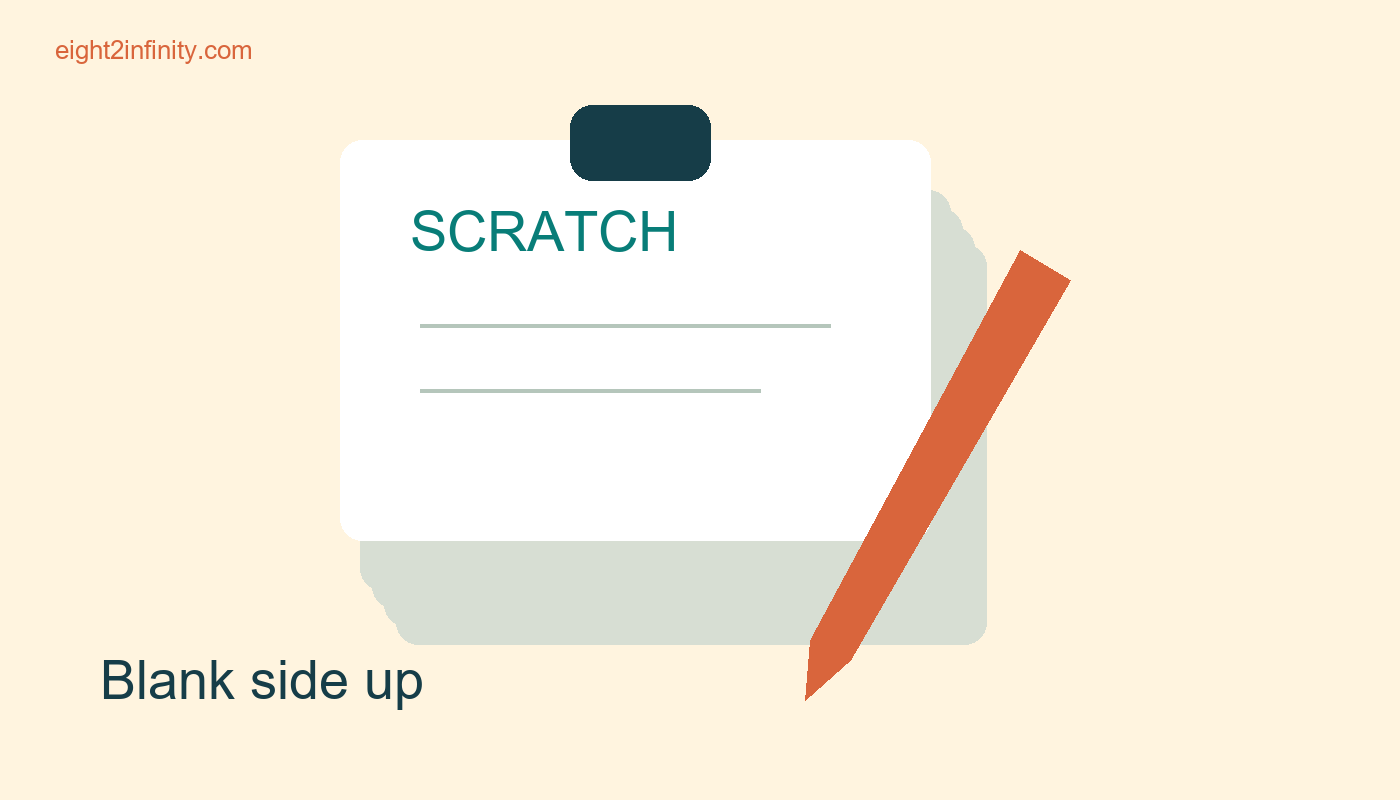
Make a useful scratchpad by collecting a small number of clean sheets with one blank side, turning the blank sides the same way, and securing the stack with a reusable clip. Put it where you already write temporary notes. Start with roughly ten sheets rather than saving every piece of paper. This is an original household routine for reusing suitable paper, not a promise that every printed sheet belongs in a reusable pile.
Choose paper that can be reused safely
Inspect both sides of each sheet before adding it. Exclude confidential records, addresses you do not want exposed, account information, private school details, and anything with passwords or access codes. A scratchpad can be turned over, carried outside, or handed to someone else. A blank front does not make sensitive printing on the reverse private. Use your usual secure disposal method for documents that should not enter ordinary household circulation.
Choose dry, reasonably flat paper that writes well with your normal pen or pencil. Exclude greasy packaging, damp sheets, strong coatings, and paper that sheds material. The purpose is convenient everyday notes, not a paper recovery project. If you must spend several minutes preparing a single poor sheet, it is probably not suitable for this small system. Follow your local recycling rules for rejected material instead of assuming all paper products are accepted together.
Build one modest pad
Gather ten suitable sheets of roughly the same size. Whole sheets are fine if you use them at a desk. Smaller sheets may fit a kitchen note spot better, but cutting is optional. If you choose to cut them, use an appropriate household tool on a safe surface and keep the process within your abilities. Do not add a craft step that stops you from using the paper you already have.
Place every blank side facing up. Align the top edges and attach a reusable binder clip or another suitable clip near one corner. Check that you can write without the clip blocking your hand. If the printed backs are visually distracting, put an already used sheet underneath as a backing. That backing is simply support; it should not contain information that would be inappropriate for the same shared space.
Give the pad a specific everyday job
For a practical trial, use the pad for short household calculations, a temporary shopping reminder, or a sketch of a shelf measurement. Write a heading on each new note so the next person knows what it means. A line such as Hall shelf dimensions is more useful than three unexplained numbers. Include units when writing measurements. A reused sheet deserves the same clarity as a fresh notebook page if the information will guide an actual task.
Keep permanent records elsewhere. A loose scratch sheet is easy to lose and can be mistaken for recycling. If a note becomes important, transfer its information to the appropriate notebook, file, or digital record and mark the transfer complete. For example, move a confirmed model number into your appliance index rather than leaving the only copy under a shopping list. The pad works best when its contents have a short, understandable lifetime.
Set a capacity rule
Choose a single home for the pad and its small refill stack. A shallow tray or one envelope can provide a visible limit. When that space is full, stop adding paper until you have used some. Reuse is useful when it replaces something you would otherwise need; an expanding collection of untouched sheets is simply another storage task. The Environmental Protection Agency's waste guidance supports reducing and reusing materials, but this exact ten sheet routine is an editorial suggestion.
Review the pad after a week of normal use. If the top sheets remain untouched, move it to the place where you actually make notes or reduce its size. If the stack disappears quickly, add a few suitable sheets without increasing the storage limit. Your own use should determine the amount kept. There is no universal number of sheets that makes a household organized, and no need to measure success by how large a paper collection you can preserve.
Fix the common annoyances
If writing shows through too strongly, use a different sheet or a firmer backing. If the clip creates a bulky corner, reposition it or remove the current sheet before writing. If printed backs confuse readers, label the working side with a small corner mark. Never cover up sensitive printing and assume that the sheet has become safe to share. The selection step remains more important than any trick used to make a mixed stack look tidy.
When a note has served its purpose, check both sides before deciding how to dispose of it. Follow local paper recycling guidance and separate clips if your program requires it. Keep reusable clips with the pad rather than throwing them away with a finished stack. These small habits maintain the system without making unsupported claims about exact environmental savings. The immediate benefit you can observe is whether suitable paper gets another useful job before leaving your home.
Try a three note review
Use three scratch sheets for three real tasks this week. At the end, identify which note was temporary, which needed transfer to a permanent record, and which could have been avoided entirely. Was the pad easy to reach and easy to understand? Adjust its location or capacity based on that answer. A small pad that gets used is a better practical result than a carefully prepared pile that nobody wants to write on.