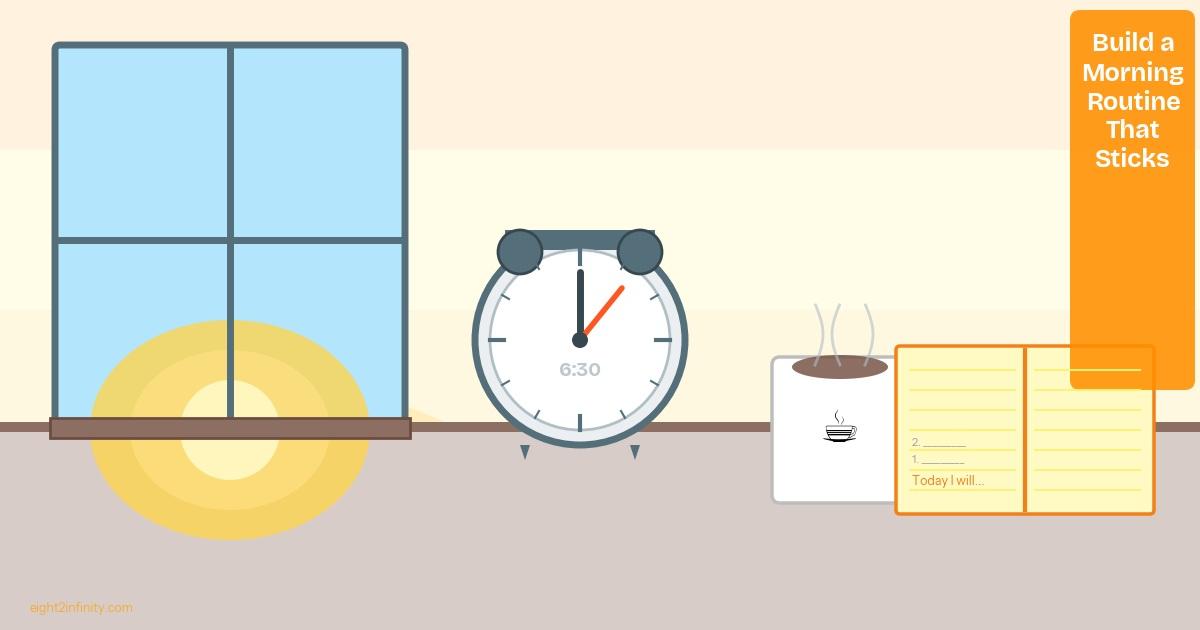
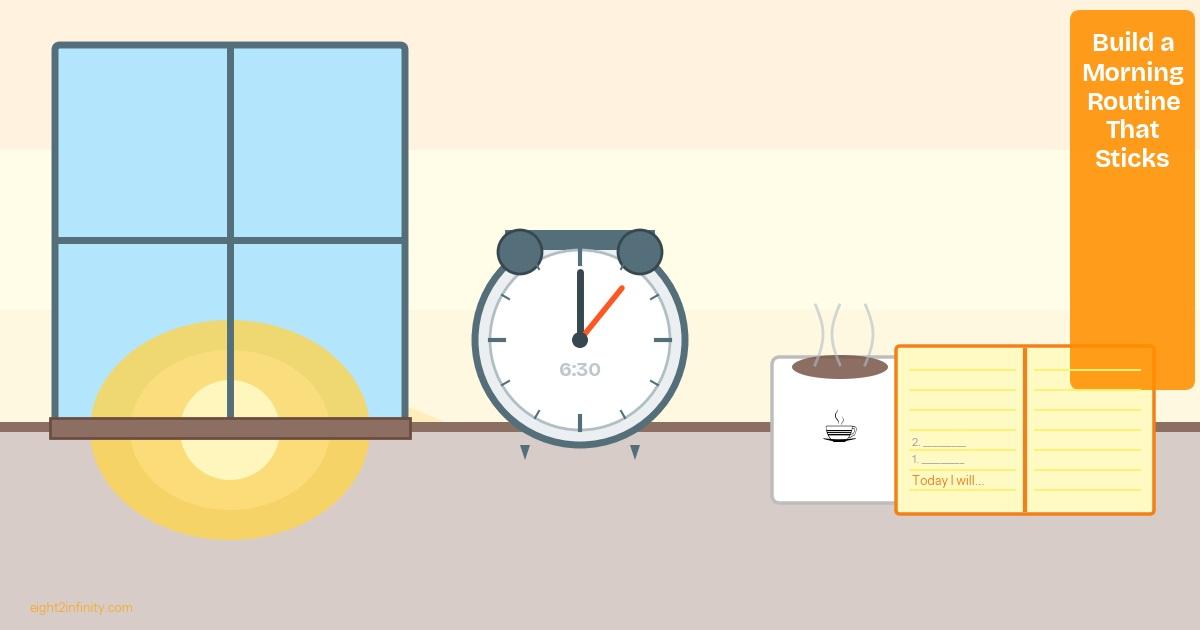
How to Build a Morning Routine That Actually Sticks
Slug: build-morning-routine-that-sticksCategory: Lifestyle > LifestyleKeyword: morning routine habits that stickExcerpt: Most morning routines fail within two weeks. Here's how to build one that genuinely sticks — with science-backed habit formation strategies and practical daily examples.
Why Most Morning Routines Fail
The internet is full of aspirational morning routines: wake at 5am, meditate for 20 minutes, exercise for an hour, journal, read, and eat a perfect breakfast — all before 7am. These routines fail for most people not because they're lazy, but because they're designed for an imaginary version of yourself rather than the real one.
Sustainable morning routines are built on realistic expectations, behavioural science, and gradual progression. The most effective morning routine is the one you'll actually do 80% of the time — not the most impressive one you'll manage for five days.
The Science of Habit Formation
Habits are formed through a neurological loop: cue → routine → reward. For morning habits to stick, you need all three. The alarm is a natural cue; the routine needs to follow immediately; and the reward — whether it's coffee, a sense of accomplishment, or simply enjoying a quiet morning — needs to feel genuine rather than forced.
Behavioural scientists recommend keeping new habits small initially. James Clear's concept of "two-minute habits" applies here: if a habit can be started in two minutes, the activation barrier is low enough that you'll actually begin. A 30-minute run starts with putting on your trainers. A journaling habit starts with writing one sentence.
How to Build Your Morning Routine: A Step-by-Step Approach
Step 1: Define What You Actually Want the Morning to Achieve
Before adding any habits, decide what a good morning produces for you. Energy? Focus? Calm? A sense of accomplishment? Your routine should be designed backward from your desired outcome — not assembled from a list of things you think you should be doing.
Step 2: Start With Just One New Habit
Choose one thing to add to your morning and do it every day for two weeks before adding anything else. This single-habit approach sounds modest but produces dramatically better long-term results than overhauling your entire morning at once.
Step 3: Anchor New Habits to Existing Ones
Habit stacking — attaching a new behaviour to something you already do automatically — is one of the most reliable techniques in habit formation. "After I make my coffee, I will write three sentences in my journal." "After I brush my teeth, I will do five minutes of stretching." The existing habit serves as a trigger for the new one.
Step 4: Prepare Everything the Night Before
Decision fatigue is the enemy of morning habits. If you have to decide what to wear, find your gym kit, or figure out what to eat, you've already expended cognitive resources before your habit begins. Lay out clothes, prepare breakfast ingredients, and set out any equipment the evening before. Remove every friction point you can.
Step 5: Protect Your Morning From Your Phone
The single most disruptive element for most morning routines is the smartphone. Checking notifications, emails, and social media immediately after waking floods the brain with reactive stimuli before you've had a chance to set your own agenda. Delay phone use by 20–30 minutes minimum — ideally longer. A physical alarm clock removes the temptation entirely.
A Simple, Realistic Morning Routine to Start With
Wake. Drink a glass of water. Do five minutes of movement (stretching, a short walk, or a few exercises). Eat a protein-containing breakfast. Write one sentence about what you want to accomplish today. Total time: 20–25 minutes. This is modest by design — and far more likely to be maintained than a two-hour regimen.
Pair your morning routine with our Health and Fitness guides for movement ideas, or browse our Practical Living section for home organisation tips that make mornings smoother.
Frequently Asked Questions
What time should I wake up for a good morning routine?
The ideal wake time is one that gives you enough time for your routine without sleep deprivation. Most adults need 7–9 hours of sleep — work backwards from when you need to leave home. Waking at 5am isn't virtuous if it means you're sleep-deprived.
How long does it take for a morning routine to become automatic?
Research suggests new habits take 18–254 days to become automatic, with a median around 66 days. Don't expect your morning routine to feel effortless for the first few months — consistency during this period is the work.
Should I exercise in the morning?
If you enjoy morning exercise and it fits your schedule, yes — morning exercise has good evidence for mood and focus benefits throughout the day. But the best time to exercise is whenever you'll actually do it consistently.
What if I'm not a morning person?
Chronotypes are partly genetic, but also significantly influenced by habits, light exposure, and sleep timing. Gradually shifting your wake time earlier (15 minutes at a time) and getting morning light exposure can shift your circadian rhythm over several weeks.
How do I get back on track after missing days?
Miss one day? Return immediately the next morning without guilt — research shows missing one day has minimal impact on long-term habit formation. Miss a week? Restart with a smaller version of your routine to re-establish the behaviour pattern before building back up.