Is Your Cat Bored? 7 Signs and Easy Fixes
Slug: signs-your-cat-is-bored-and-how-to-fixPillar: Pet Care > Cat CareKeyword: signs your cat is boredExcerpt: Cats can get seriously bored — and they show it in surprising ways. Here are 7 signs your cat is understimulated and exactly what to do about it.Publish Date: 2026-06-16
Yes, Cats Get Bored
People assume cats are self-sufficient. And compared to dogs, they are. But an indoor cat that spends most of its day alone with nothing to do can become genuinely miserable — and that misery tends to come out in ways that make your life harder too.
Boredom in cats isn't just about being a bit flat. It can cause real behavioural problems, weight gain, and stress-related health issues. Here's how to spot it and, more importantly, how to fix it without spending a fortune.
7 Signs Your Cat Is Bored
1. Overgrooming
If your cat is licking one patch of fur until it's thin or bald — usually on the belly, inner thighs, or the base of the tail — boredom or stress is a common cause. Rule out skin conditions with a vet first, but if the skin looks fine and the licking is compulsive, it's often a sign of too little stimulation.
2. Knocking Things Off Surfaces
Your cat isn't doing this to spite you. They're doing it because it's the most interesting thing available to them. Cats knock things over to engage their hunting instinct — watching something move and fall is genuinely stimulating. If it's happening constantly, it's a signal they need more to do.
3. Attention-Seeking at Odd Times
Meowing persistently, following you from room to room, pawing at your face at 4am — these can all signal a cat that's not getting enough engagement during the day. It's not bad behaviour, it's a communication attempt.
4. Excessive Sleeping
Cats sleep a lot normally (around 12–16 hours). But if your cat seems completely flat, uninterested in anything, and barely moves between meals, that's different from normal napping. Lethargy paired with weight gain is a particular red flag.
5. Destructive Scratching
Scratching is natural and healthy. Scratching every piece of furniture in the house despite having scratching posts is a sign of either poorly placed posts, the wrong texture, or a cat that needs more physical and mental outlet.
6. Overeating
Some cats eat out of boredom, just like people do. If your cat seems constantly hungry even on a good diet, consider whether they're eating because they have nothing better to do.
7. Aggression Toward Other Pets (or You)
A bored cat may start redirecting pent-up hunting energy at other animals in the house, or occasionally at hands and feet. This is particularly common in younger cats who aren't getting enough active play.
How to Fix It
Play Daily — and Make It Count
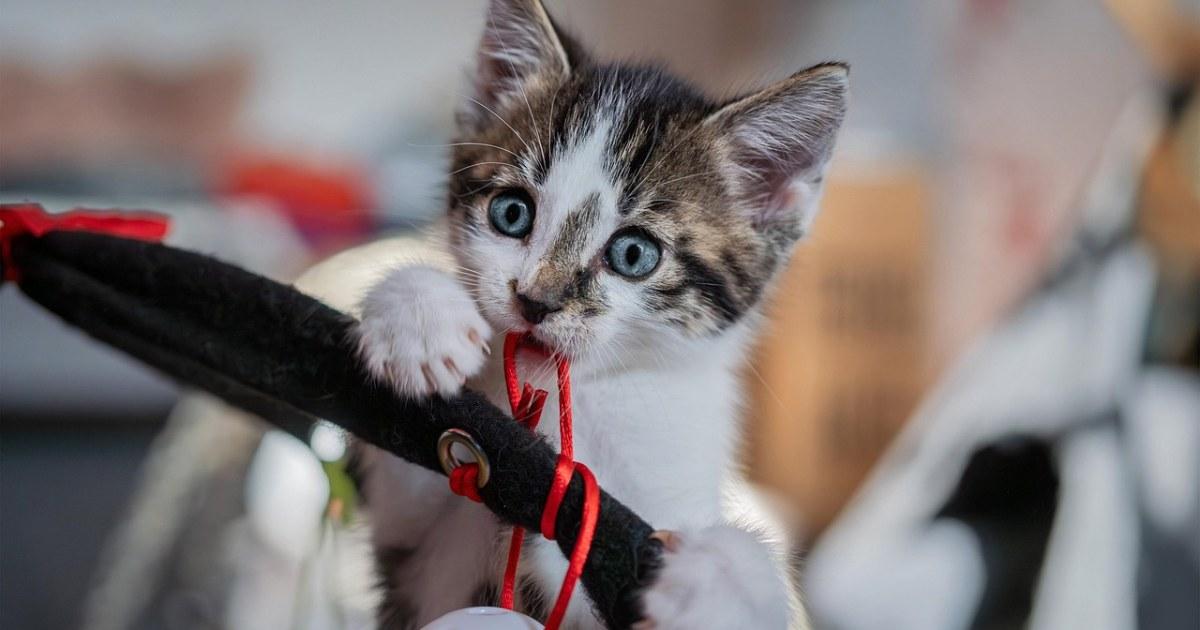
Two 10-minute interactive play sessions per day does more for a cat than any amount of toys left on the floor. Use a wand toy (the Da Bird feather wand is worth every penny — around £12 / $15) and mimic prey movement: erratic, stopping suddenly, hiding under a blanket. Let your cat actually catch it sometimes. This engages the complete hunting cycle and leaves them genuinely tired.
Puzzle Feeders
Instead of putting food in a bowl, put it in a puzzle feeder or a snuffle mat. This can take 5 minutes of eating and turn it into 20–30 minutes of engaged activity. Good options include the LickiMat (around £8 / $10) for wet food, or the Trixie Activity Board for dry food.
The Window Is Free
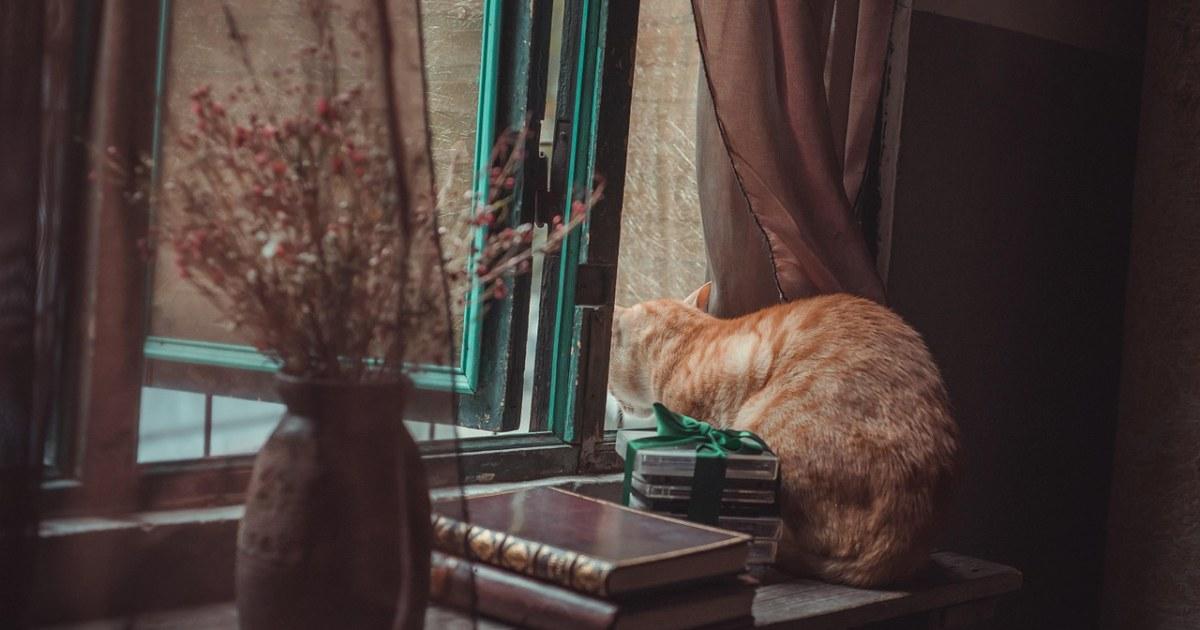
A bird feeder positioned outside a window your cat can comfortably sit at provides hours of entertainment for the cost of some birdseed. Add a padded window perch and it becomes a favourite spot. Simple, free, and genuinely effective.
Rotate Toys
Cats get bored of the same toys very quickly. Put half away and swap them every week or two. The "new" toys become interesting again.
Consider a Cat Tree
Vertical space matters to cats. A cat tree gives them somewhere to climb, scratch, survey their territory, and retreat when overstimulated. It doesn't need to be expensive — a solid mid-range option like the PawHut or Zaza & Peach cat tree runs around £50–80 and lasts for years.
FAQ
Can a cat be bored if they have other cats?
Yes. Some cats are great companions for each other; others coexist peacefully but don't actually interact much. Having a second cat isn't a guaranteed fix for boredom — it depends entirely on the individual cats and whether they actually play together.
How much playtime does an indoor cat need?
At minimum, two 10-minute interactive play sessions daily. Younger cats and high-energy breeds like Bengals or Abyssinians need significantly more — think 20–30 minutes of active play spread through the day.
Is my cat bored or ill?
Lethargy, changes in appetite, and hiding can signal illness. If boredom signs appeared suddenly — especially in an older cat — a vet check is the right first step. Boredom usually develops gradually in cats that have always been somewhat understimulated.
Should I get a kitten to keep my adult cat company?
Only if your cat is the type that actually enjoys other cats. Introducing a kitten to an older cat that prefers being alone often causes more stress, not less. Observe your cat's current behaviour with other cats before deciding.
More pet care guides at our Pet Care hub, including our cat care guides.