
Screen Time Rules for Kids: What Experts Actually Say
Slug: screen-time-rules-kids-by-agePillar: Parenting > Family WellnessKeyword: screen time rules for kids by ageExcerpt: The AAP updated its screen time guidance in 2026. Here's what it actually means for your family — by age group, in plain language.Publish Date: 2026-06-16
The Rules Changed in 2026
The American Academy of Pediatrics quietly updated its screen time guidance in January 2026, and it's a bigger shift than most parents realise. They moved away from strict hourly limits and toward something more nuanced: it's not just about how much, but what, with whom, and whether it's replacing something important.
That's a more useful framework. Here's what it means in practice.
Under 18 Months: Keep It Video Chat Only
This is the one age group where every major health organisation agrees: no screens except video calling. FaceTime with grandparents is fine. Everything else — even "educational" content — doesn't offer much to a baby under 18 months, because they can't yet make the connection between what's on screen and the real world.
It's not about being strict. Babies this age just genuinely don't get much from it.
18 Months to 5 Years: Quality Over Quantity
The old rule was "one hour per day for ages 2–5." The new guidance says that's less important than what they're watching and who they're watching with.
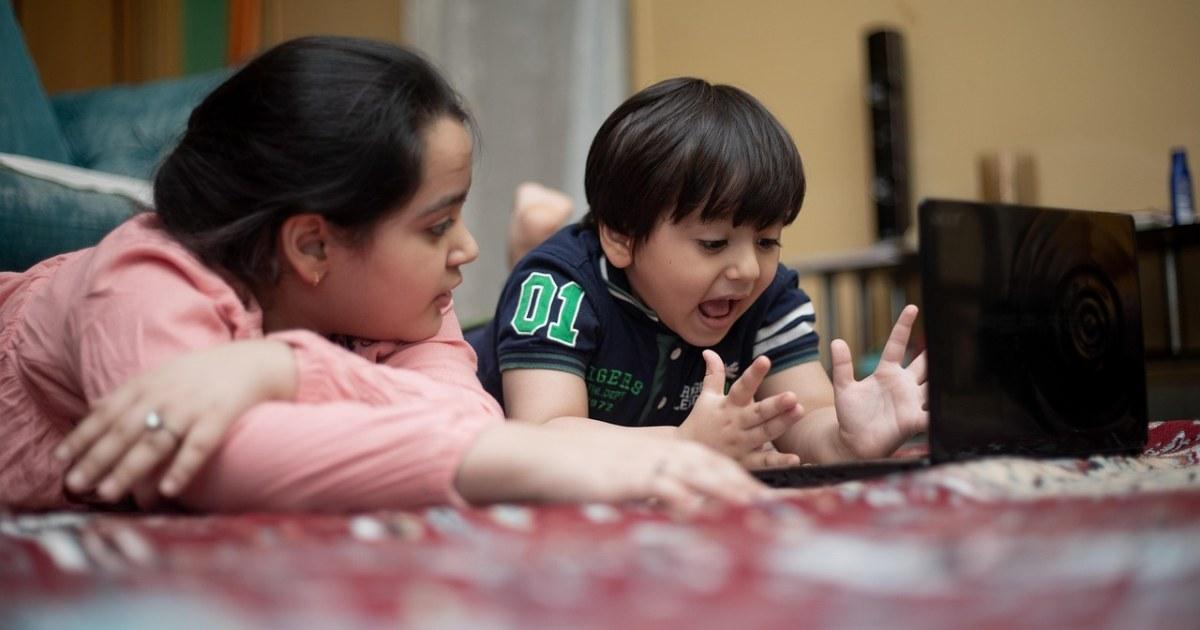
Co-viewing — sitting with your child, talking about what's happening, asking questions — makes almost any content more valuable. Shows like Bluey or Sesame Street that model conversation, emotion, and problem-solving are genuinely better choices than fast-paced cartoon content designed mainly to hold attention.
The things to avoid: screens at mealtimes, screens in the 30–60 minutes before bed, and using screens as the default to manage boredom or big emotions. Not because you're a bad parent if it happens, but because those patterns are harder to unpick later.
Ages 6–12: Set Family Agreements, Not Just Limits
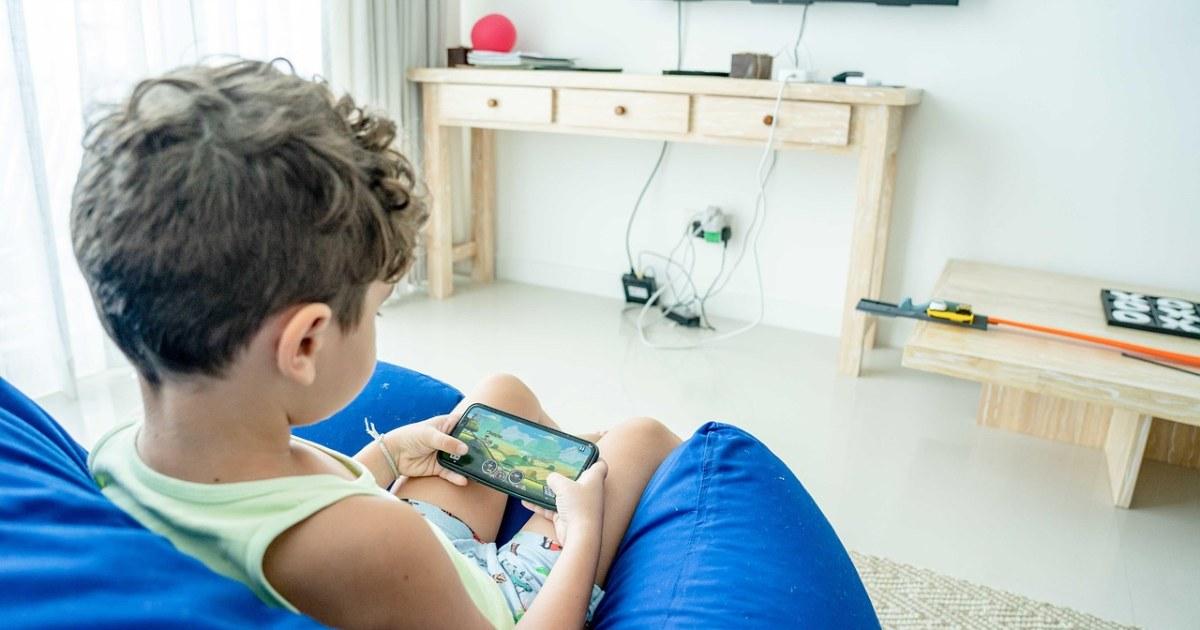
The AAP's position for school-age children is to focus on what screen time is displacing. If your child is sleeping enough, doing physical activity, maintaining friendships, and finishing schoolwork, the total screen hours matter less than people think.
What works better than hour limits: device-free bedrooms, no screens during meals, and a clear "off" time at night. We'd go with 9pm for under-12s as a sensible default — screens stay in a shared space, and phones charge in the kitchen.
Be specific about content, not just time. A child watching gaming tutorials on YouTube is doing something passive. A child playing Minecraft and building something creative is using skills. They're not equivalent, even if the hour count is the same.
Teenagers: The Conversation Matters More Than the Rules
Trying to enforce strict limits with a 14-year-old usually ends in conflict and workarounds. What works better is an honest conversation about why certain limits exist, and what you're actually trying to protect — sleep, real-world connection, their own attention span.
Research published in JAMA Pediatrics in 2024 found that the association between social media and poor mental health in teens is strongest for girls, especially around passive consumption (scrolling without interacting). That's worth knowing and worth discussing with your teenager directly.
The most protective thing isn't a screen time app. It's a teenager who understands why balance matters and has other things they genuinely enjoy doing.
Practical Ground Rules for Any Family
Whatever your kids' ages, a few things consistently help:
- No screens in bedrooms after a set time — for kids and adults
- Phones don't sit at the dinner table
- Designate some family time each week where everyone's off screens together
- Be the model. If you're scrolling while telling your child to put their phone down, that conversation is already lost.
FAQ
How much screen time is too much for a 7-year-old?
The AAP no longer gives a strict hour limit for children over 6. Focus instead on whether screen time is interfering with sleep (aim for 9–11 hours at age 7), physical activity, homework, or face-to-face interaction. If those are covered, a few hours of quality screen time isn't harmful.
Are iPads worse than TV for young children?
Interactive screens like tablets can actually be better if they're used with an adult and involve problem-solving. Passive YouTube watching on a tablet isn't better than TV — the device doesn't determine quality, the content and context do.
Should babies under 2 use screens at all?
The AAP advises no screen media before 18 months, except video calling. From 18–24 months, limited high-quality programming with a caregiver is acceptable. Under 18 months, babies genuinely don't process screen content the same way older children do.
Do screen time limits need to be consistent every day?
No — and expecting perfect consistency adds stress without much benefit. What matters more is having clear expectations, consistent rules around bedrooms and mealtimes, and modelling the behaviour you want to see.
More family wellness guides at our Parenting hub. See also: Family Wellness.
Sources: American Academy of Pediatrics (aap.org), JAMA Pediatrics (2024 social media and teen mental health study)