Vietnam Budget Travel Guide 2026: How to Do It for $40 a Day
Slug: vietnam-budget-travel-guide-2026Pillar: Travel > DestinationsKeyword: Vietnam budget travel guide 2026Excerpt: Vietnam remains one of the world's best value travel destinations in 2026. Here's how to plan a real trip for around $40 per day — without missing anything.Publish Date: 2026-06-16
Why Vietnam Still Tops the Budget Travel List
Vietnam is one of those places that seems almost unfairly good value. A bowl of pho from a street stall costs under $2. A comfortable private room in Hoi An costs $15–25. A 6-hour sleeper bus between cities runs $8–15. And the country is genuinely extraordinary — French colonial architecture, UNESCO-listed landscapes, some of the best food on earth, and coastline that rivals anything in Southeast Asia.
In 2026, the country has seen some price increases since pre-pandemic days, but it still easily supports $40/day travel if you make reasonably sensible choices. Here's how.
The Realistic Daily Budget Breakdown
At $40/day, your budget roughly looks like this: accommodation ($8–15 in a private room, or $5–8 in a hostel dorm), food ($8–12 for three meals eating mostly street food and local restaurants), transport ($5–10 for local getting around), entrance fees and activities ($2–8 depending on the day), water and miscellaneous ($2–4).
Some days will come in under $30. A Ha Long Bay overnight cruise or a cooking class will push you over $40. It balances out.
Where to Go
The classic north-to-south (or reverse) route works well for 2–3 weeks and covers the highlights without doubling back.
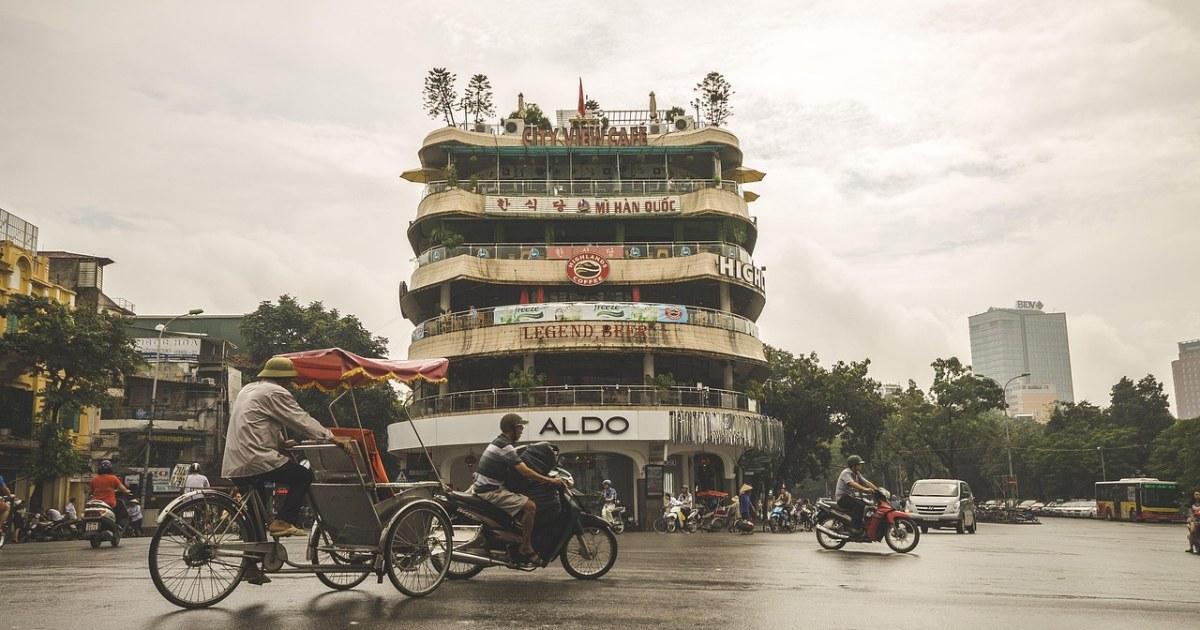
Hanoi is the northern capital — frenetic, historic, with the Old Quarter's winding lanes and the best bia hoi (draught beer) corners you'll find anywhere. Budget 3–4 days.
Ha Long Bay is unmissable but requires some care in choosing a tour — the budget operators are genuinely substandard. The Cat Ba Island approach (take a public ferry rather than a group tour) gets you into the bay for significantly less and with more freedom. Allow 2 days.
Hue (old imperial capital) and Hoi An (UNESCO old town with great tailoring, cooking schools, and beaches) are both excellent and often underrated. Budget 2–3 days each.
Da Nang is a good transit point for beaches. Ho Chi Minh City (Saigon) in the south is busier and slightly more expensive than Hanoi but has world-class street food and excellent day trips to the Mekong Delta and Cu Chi Tunnels.
Getting Around
For long distances, overnight sleeper buses save you a night's accommodation and are genuinely comfortable — a 10-hour overnight bus from Hanoi to Hue costs around $12–18 on Phuong Trang or Sinh Tourist buses. Book on 12go.asia or directly at the bus station.
Within cities, Grab (the local equivalent of Uber — download it before you go) is cheap and avoids the tourist-price problem with many taxis. A ride across Ho Chi Minh City costs $1–3.
Renting a motorbike ($5–8/day) unlocks a different level of freedom and is how many long-term travellers get around, but requires genuine riding experience and adequate insurance.
Where to Eat (and What to Eat)
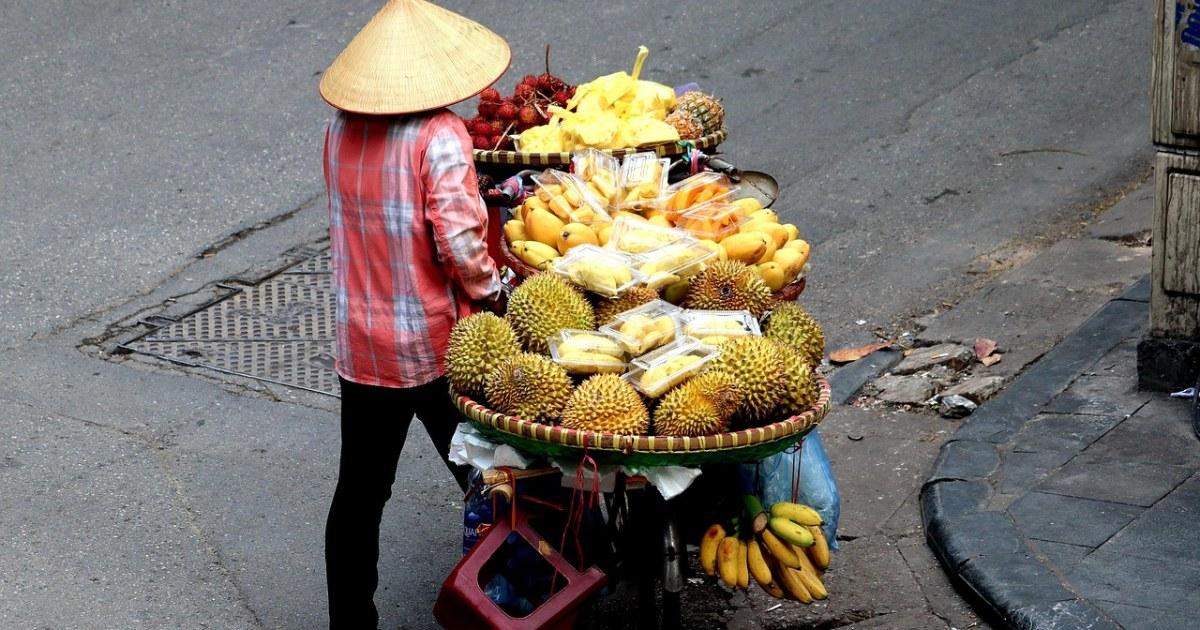
The best food in Vietnam is found at tiny plastic-stool restaurants, not in tourist-facing places with English menus and laminated photos. The rule of thumb: if locals are eating there in numbers, the food is good. If the menu has photos, you're probably paying more for less.
Dishes to seek out: bun bo hue (a spicy noodle soup from Hue that's better than pho, fight us), banh mi (Vietnamese baguette sandwiches at $1–2 each), cao lau (a Hoi An-specific noodle dish using local well water — only authentic in Hoi An), com tam (broken rice with grilled pork, a Saigon staple).
Practical Tips
Buy a local SIM at the airport — Viettel or Vietnamobile, around $6 for 30 days of data. It makes everything much easier. Carry small notes in Vietnamese dong for street food and markets; larger denominations are often refused or cause change issues at small stalls. Download offline Google Maps before your trip.
FAQ
Is Vietnam safe for solo travellers?
Yes — Vietnam is consistently rated one of the safer destinations in Southeast Asia for solo travel, including for solo women. Petty theft (bag-snatching in Saigon and Hanoi) is the main risk; keep bags in front of you on busy streets.
What's the best time to visit Vietnam?
Vietnam is long and narrow, so weather varies significantly by region. November to April is generally dry in the north and centre. The south is good October to April. If you're travelling the full length, there's no perfect time — just pick based on your priority region.
Do you need a visa for Vietnam?
Citizens of many countries (including the US, UK, EU, Australia, and Canada) can visit Vietnam visa-free for 90 days as of 2023. Check the official Vietnam Immigration Portal (immigration.gov.vn) for the current list and any recent changes.
How much spending money do you need for 2 weeks in Vietnam?
Budget around $560–700 for two weeks at $40–50/day, plus flights and travel insurance. That covers accommodation, food, transport, and most activities. Budget an extra $100–150 for Ha Long Bay if you're planning to go.
More travel guides at our Travel hub and Destinations.
Prices are approximate and in USD; exchange rates and local prices can vary. Always verify visa requirements with official government sources before travel.