
How to Learn a New Language Fast at Home
Slug: learn-new-language-fast-at-homePillar: Education > Study GuidesKeyword: learn a new language fast at home freeExcerpt: Learning a language at home is completely doable — if you use the right methods. Here's a practical system that works, mostly for free.Publish Date: 2026-06-16
Why Most Language Learning Fails
Most people who try to learn a language give up within 3 months. Not because they lack talent — nearly everyone can learn a language — but because they use methods that feel productive without actually building the ability to communicate.
Memorising vocabulary lists. Doing grammar exercises. Completing Duolingo streaks. These things have their place, but by themselves they don't produce a person who can understand and speak a language. What does? Input and output. A lot of both, in that order.
The System That Actually Works
Stage 1: Learn the Sounds and Basic Structure (Weeks 1–2)
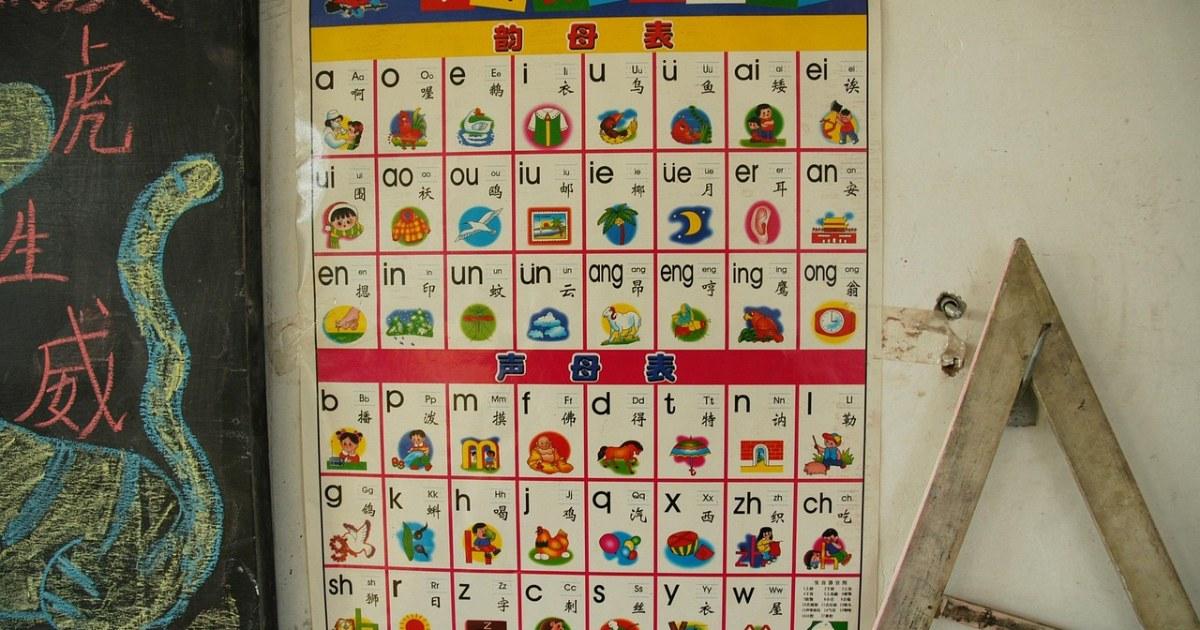
Before anything else, learn the phonetics of your target language. How does it sound? What sounds don't exist in your native language? Watch YouTube videos on the pronunciation and listen to the language spoken by natives. If it uses a different script — Arabic, Japanese, Korean — spend a week or two learning to read it before doing anything else. Reading as you hear the language massively accelerates everything that follows.
For this stage: YouTube, Forvo (for pronunciation of individual words), and a basic beginner course like Language Transfer (completely free, available for Spanish, Arabic, French, German, Swahili, Greek, and Italian). Language Transfer in particular is exceptional — it teaches you to construct the language, not just memorise it.
Stage 2: Massive Input (Month 1–6)
Input means reading and listening to the language as much as possible, slightly above your current level. This is called comprehensible input, and it's the method behind some of the fastest language learners in the world.
Practically: start with content designed for learners (Dreaming Spanish on YouTube is outstanding for Spanish — comprehensible input videos from absolute beginner level upwards, all free). As you improve, move to content made for native speakers. Find a TV show you like in your target language and watch it with subtitles in that language (not English subtitles — that just trains you to read English).
Listen while you commute. Listen while you exercise. The hours add up without feeling like study.
Stage 3: Speaking Early (Month 2 Onwards)
You don't need to be "ready" to start speaking. You'll be uncomfortable, you'll make mistakes, and that's exactly how it should go. Conversation is where the language becomes real.
italki ($5–15 per session) lets you book lessons with native speakers from anywhere in the world. Tandem and HelloTalk are free apps that connect you with native speakers for language exchange — you help them with English, they help you with your target language. Even 30 minutes of conversation per week produces noticeably faster progress than study alone.
Free Resources Worth Knowing
Anki — a free flashcard app using spaced repetition. Better than any paid vocabulary app for actually retaining words. There are pre-made language decks you can download.
Clozemaster — free, builds vocabulary in context rather than from lists. Good once you're past complete beginner stage.
Class Central — lists 110+ free university language courses. If you want structured learning with academic credentials, this is where to find it.
And Duolingo — yes, it's fine for getting started and keeping a daily habit, but treat it as a warm-up to real input, not a primary learning method.
How Long Does It Take?
The US Foreign Service Institute (FSI) classifies languages by difficulty for English speakers. Spanish, French, Portuguese, and Italian are Category 1 (750–900 hours to professional fluency). Mandarin, Arabic, Japanese, and Korean are Category 4 (2,200+ hours). Most people aren't aiming for professional fluency — conversational ability in a Category 1 language takes most learners 300–400 dedicated hours, or about 6–12 months at a reasonable daily pace.
But here's the honest truth: the timeline doesn't matter much if you're actually enjoying the process. Pick something you genuinely want to engage with — the country's culture, the music, the films — and the hours take care of themselves.
FAQ
Can adults really learn a new language at home?
Yes. Adults can't match young children for accent acquisition, but they significantly outperform children in every other aspect of language learning — they bring grammatical knowledge, vocabulary transferability, and a greater ability to study intentionally.
How many minutes a day do you need to learn a language?
30 minutes daily is enough to make steady progress, especially if you add passive listening (podcasts while commuting, for example). Consistency over weeks and months matters far more than occasional long sessions.
Is Duolingo enough to learn a language?
Duolingo gets you started and builds a daily habit, but on its own it won't take you to conversational fluency. Pair it with listening to native content and actual conversation practice.
What's the easiest language to learn from English?
Spanish is widely considered the easiest for English speakers — shared vocabulary, consistent spelling rules, and enormous availability of learning resources. Norwegian and Dutch are also rated easy by the FSI, though resources are less plentiful.
More education guides at our Education hub and Study Guides section.
Sources: US Foreign Service Institute language difficulty ratings (state.gov/foreign-language-training); Language Transfer (languagetransfer.org)