
How to Reduce Bloating Naturally: 8 Simple Daily Habits
Slug: reduce-bloating-naturally-daily-habitsPillar: Health and FitnessSubcategory: WellnessKeyword: reduce bloating naturallyExcerpt: Bloating can ruin your day. These 8 natural daily habits help reduce bloating fast and prevent it from coming back — no drastic diets required.
Bloating — that uncomfortable, swollen feeling in the abdomen — is one of the most common digestive complaints. While it's occasionally a sign of an underlying condition that needs medical attention, most bloating is caused by everyday habits that are entirely fixable. Here are eight evidence-supported habits that can reduce bloating naturally and keep your gut happier long-term.
Note: If you experience persistent or severe bloating, unexplained weight loss, or changes in bowel habits, consult a doctor — these symptoms may need investigation.
1. Eat More Slowly and Chew Thoroughly
Eating too quickly causes you to swallow excess air, which is one of the primary causes of bloating. Chewing food thoroughly also begins the digestive process before food reaches your stomach — the more you chew, the less work your gut has to do. Try putting your fork down between bites and aiming for at least 20–25 chews per mouthful. It sounds tedious, but it makes a measurable difference.
2. Identify and Reduce FODMAP Triggers
FODMAPs are a group of fermentable carbohydrates found in many everyday foods. In people with sensitive guts, they ferment rapidly in the colon and produce gas. Common high-FODMAP foods include onions, garlic, beans, lentils, wheat, lactose, apples, and cauliflower. Keeping a food diary for two weeks can help you spot your personal triggers. A low-FODMAP diet, ideally done with guidance from a registered dietitian, has strong evidence behind it for reducing bloating, particularly in people with IBS.
3. Stay Well Hydrated
Dehydration can actually worsen bloating. When you're not drinking enough water, your body retains water to compensate — leading to water retention and that puffy, bloated feeling. Aim for 6–8 glasses of water per day. Herbal teas like peppermint and ginger are particularly helpful for digestion and can ease bloating within 20–30 minutes of drinking.
4. Move Your Body After Eating
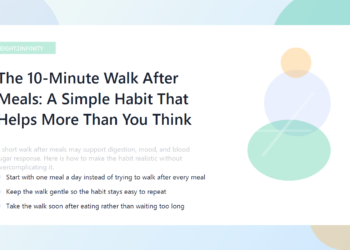
A short walk after meals is one of the most effective natural remedies for bloating. Physical movement stimulates gut motility — the muscular contractions that move food through your digestive system. Even a 10–15 minute gentle walk after lunch or dinner can prevent gas from accumulating. This is also beneficial for blood sugar regulation, as covered in our 10-minute walk guide.
5. Reduce Carbonated Drinks
Fizzy drinks — including sparkling water, sodas, and prosecco — introduce carbon dioxide gas directly into your digestive system. For many people, this is the fastest route to bloating. If you love sparkling water, try switching to still water or herbal teas during periods when bloating is particularly troublesome.
6. Address Constipation
Constipation is a major driver of bloating — when waste sits in your colon, gas builds up. Ensure you're getting enough fibre (25–35g per day from whole grains, vegetables, fruits, and pulses), drinking plenty of water, and moving regularly. If constipation is chronic, speak to your GP, as it may need further investigation or treatment.
7. Manage Stress Actively
The gut-brain axis is well-established in science: psychological stress directly affects gut motility and sensitivity. Many people experience bloating, cramping, and altered bowel habits during periods of anxiety or stress. Regular stress management practices — including exercise, adequate sleep, mindfulness, and reducing caffeine — can have a significant impact on digestive symptoms over time.
8. Consider a Quality Probiotic
Probiotics are live bacteria that support a healthy gut microbiome. Evidence for their role in reducing bloating is strongest for specific strains including Lactobacillus acidophilus and Bifidobacterium longum. Not all probiotics are equal — look for products with documented strains and colony-forming unit (CFU) counts. Fermented foods like live yoghurt, kefir, kimchi, and sauerkraut also provide natural sources of beneficial bacteria. Give any probiotic at least 4–6 weeks of consistent use before evaluating results.
Frequently Asked Questions
Why am I bloated even when I haven't eaten much?
Bloating can occur from swallowed air, gas produced by gut bacteria, constipation, or water retention — not just from the volume of food eaten. Eating quickly, drinking through a straw, chewing gum, and smoking can all introduce excess air even between meals.
Does cutting gluten help with bloating?
For people with coeliac disease or non-coeliac gluten sensitivity, yes — removing gluten is essential. For people without these conditions, eliminating gluten may help if the benefit comes from reducing wheat-based FODMAPs (fructans), not gluten itself. Don't self-diagnose; get tested for coeliac disease before going gluten-free.
Can bloating be a sign of something serious?
Usually not, but persistent bloating — particularly if accompanied by pain, unexplained weight loss, changes in bowel habits, or blood in stool — should be assessed by a doctor to rule out conditions like coeliac disease, inflammatory bowel disease, or in rare cases, ovarian cancer.
How long does it take to see results from dietary changes?
Some changes (like reducing carbonated drinks or eating more slowly) produce results within days. Dietary changes targeting FODMAPs or gut flora typically take 2–6 weeks to show meaningful improvement.
Is peppermint tea really effective for bloating?
Yes — peppermint contains menthol, which relaxes the muscles of the digestive tract and can relieve gas and cramping. Peppermint tea or enteric-coated peppermint oil capsules both have clinical evidence supporting their use for IBS-related bloating.
Related reading: 10-Minute Morning Stretch Routine | Food and Drink guides